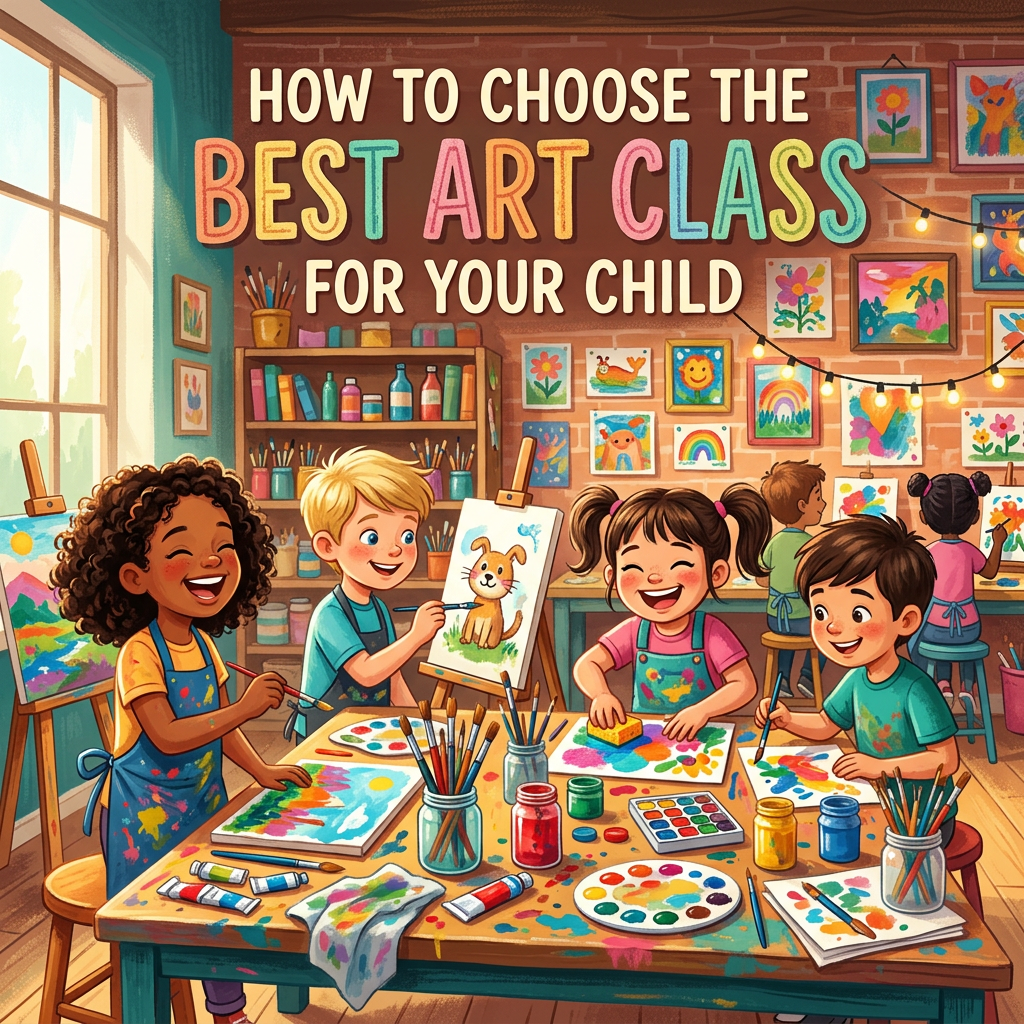
How to Choose the Best Art Class for Your Child: A Complete Guide for Parents
Finding the right art class for your child can feel overwhelming with so many options available today. From traditional in-person studios to innovative online platforms, the landscape of art education has transformed dramatically. As a parent, you want to make a decision that not only develops your child's artistic skills but also nurtures their creativity, confidence, and passion for learning. The best art class for your child is one that aligns with their individual learning style, interests, age, and your family's lifestyle. This comprehensive guide will walk you through the essential factors to consider when selecting an art class, helping you make an informed decision that sets your child up for creative success. Whether you're exploring options for the first time or switching programs, understanding what makes a quality art education program is crucial for your child's overall development and artistic journey.
Understanding Your Child's Age and Developmental Needs
One of the most critical factors in choosing the best art class for your child is ensuring it aligns with their current developmental stage. Children at different ages have vastly different cognitive abilities, attention spans, fine motor skills, and learning preferences. Understanding these developmental milestones helps you select a program that will be appropriately challenging without causing frustration.
For younger children aged 4-7 years (often called Pre-Junior level), the focus should be on exploration, play, and imagination. At this stage, children are developing basic fine motor skills and are naturally drawn to colorful, expressive activities. They learn best through storytelling and engaging narratives that spark their imagination. Classes for this age group should emphasize process over product—the joy of creating rather than achieving a specific outcome. Look for programs that incorporate imaginative themes, encourage experimentation with different materials, and celebrate all attempts equally.
Children aged 8-10 years (Junior level) become more capable of focus and can handle structured instruction while still maintaining their love for creative expression. They begin to develop self-consciousness about their work and can benefit from positive feedback and recognition. This age group benefits from learning specific techniques and understanding art fundamentals like perspective, color theory, and composition basics. They're also developing social awareness and enjoy collaborating with peers, so group activities within classes become more valuable. Art classes for this age should balance technical skill-building with continued creative freedom.
Older children aged 10+ years, teenagers, and adults (Senior level) can engage with more sophisticated concepts and techniques. They may have developed preferences for specific art forms and benefit from instruction that respects their emerging artistic voice. At this stage, art education can become more goal-oriented, whether the child wants to develop portfolio work, explore a specific style, or simply pursue art as a lifelong passion. Quality programs for this age group should offer flexibility in artistic expression and encourage students to develop their unique perspective.
Evaluating Teaching Methods and Learning Approach
The teaching methodology employed by an art class significantly impacts your child's learning experience and creative development. Not all art instruction approaches are equally effective, and what works beautifully for one child might not resonate with another. When evaluating an art program, look closely at how instructors engage with students and facilitate learning.
One particularly effective approach combines storytelling with hands-on drawing instruction. This method—where instructors weave engaging narratives while teaching artistic techniques—captures children's imagination while building skills. Stories provide context and inspiration, making the drawing process feel purposeful and exciting rather than technical and dry. This approach works especially well for younger children who learn best through narrative and imagination. When evaluating online art classes for kids, ask whether the program incorporates storytelling elements and how instructors balance creative expression with skill development.
Pay attention to whether the class emphasizes technical skills, creative expression, or ideally both. Some programs focus heavily on teaching "correct" techniques and copying examples, which can stifle original thinking. The best programs strike a balance—teaching fundamental skills and techniques while encouraging children to apply them in their own unique ways. Look for classes where instructors ask open-ended questions like "What story will you tell with your artwork?" rather than "Copy what I'm drawing." This approach builds both competence and confidence.
Consider the instructor's approach to feedback and encouragement. Do they celebrate effort and creative risks, or do they focus primarily on technical accuracy? The most effective art educators understand that building confidence and fostering intrinsic motivation is as important as teaching technical skills. They use positive reinforcement, help students recognize improvement in their own work, and create an environment where mistakes are viewed as learning opportunities rather than failures. This mindset helps children develop resilience, persist through challenges, and maintain their love of art throughout their lives.
Also evaluate whether the program provides flexible learning options. Some children thrive with the spontaneity of live classes, while others benefit from having recorded sessions they can review. Ideally, look for programs offering both live interactive instruction for real-time engagement and recording access for flexibility and review purposes.
Assessing Class Size and Personal Attention
The size of an art class directly impacts the quality of instruction your child receives and their overall learning experience. This is one factor where size genuinely matters, and larger isn't better. When classrooms are too crowded, individual attention becomes impossible, and some children inevitably get left behind while others become bored.
Smaller class sizes—typically between 15-20 students—allow instructors to know each child individually, understand their strengths and challenges, and provide meaningful, personalized feedback. In smaller groups, instructors can easily circulate around the room, observe each child's work, ask guiding questions, and offer specific suggestions for improvement. Children also feel more comfortable asking questions and taking creative risks when they know the instructor is paying attention to them personally.
Large classes with 40+ or even 100+ students often struggle to provide individual attention, regardless of how talented the instructor is. In these settings, children may feel anonymous, receive generic feedback or none at all, and struggle to ask questions or get help when needed. Shy children might withdraw further, while confident children might dominate the space. The social dynamics of large groups can also distract from learning and make some children anxious rather than excited about attending class.
When researching art programs, specifically ask about batch sizes and student-to-instructor ratios. If they're vague about class size or unwilling to discuss it, that's a red flag. The best programs, including platforms like Artjio, maintain intentionally limited batch sizes because they understand that personal attention is essential for effective learning and child development. Smaller classes also foster a sense of community where children form friendships and feel part of a supportive group, enhancing their motivation and enjoyment.
Online vs. In-Person Classes: Making the Right Choice
The decision between online and in-person art classes depends on your family's circumstances, your child's learning style, and the quality of programs available in your area. Both options offer distinct advantages and considerations. Understanding these can help you choose what works best for your situation.
Online art classes for kids have become increasingly sophisticated and effective, especially platforms that emphasize live interactive instruction. The advantages include unparalleled flexibility—no commuting time, ability to attend from home, and the ability to fit classes around your family's schedule. Online programs often provide recorded sessions within 24 hours, giving your child lifetime access to review lessons, which is invaluable for reinforcing learning and accommodating different learning paces. Geographic barriers disappear; your child can access the best instructors regardless of location. Additionally, many online programs offer competitive pricing compared to traditional studios.
For children who are shy or have anxiety about group settings, the slightly less formal nature of a home environment can feel less intimidating. Some children also thrive with the reduced sensory stimulation of their familiar space compared to crowded studios. If your home has appropriate setup and you're willing to facilitate technology and materials, online classes can be highly effective.
In-person classes offer immediate, hands-on instructor feedback and the social connection of meeting peers in person. Some children are more engaged and motivated by the physical presence of an instructor and the structured environment of a dedicated art studio. In-person classes can feel special and different from home routines, which some children find exciting. The instructor can also physically demonstrate techniques and easily see each child's work from all angles.
Modern platforms like Artjio bridge this gap by offering live Zoom classes that combine the flexibility of online learning with the interaction and engagement of live instruction. The key is finding a program—whether online or in-person—with quality instruction, appropriate class size, and a teaching approach that resonates with your child.
How Artjio Helps Your Child Experience the Best Art Education
Artjio is India's leading online art education platform, having taught over 1.8 lakh+ students with a unique approach that combines storytelling and drawing instruction. The platform offers three carefully designed batches—Pre-Junior (4-7 years), Junior (8-10 years), and Senior (10+ years and mothers)—ensuring each age group receives age-appropriate instruction. All classes are conducted live via Zoom with limited batch sizes, guaranteeing personal attention for every student.
What sets Artjio apart is the dual focus on skill development and holistic creativity. Classes feature engaging storytelling that sparks imagination, combined with expert instruction that builds technical skills. Every session is recorded and provided within 24 hours with lifetime access, allowing students to review lessons and accommodate flexible learning. The platform offers multiple subscription plans—monthly, 3-month, 6-month, and yearly—giving families flexibility in commitment and budget. Beyond technical skills, Artjio's curriculum focuses on developing creativity, confidence, patience, focus, and self-expression—the true markers of creative development. For parents seeking the best art class for their child, Artjio combines proven methodology, experienced instructors, reasonable class sizes, and flexible online access.
Key Questions to Ask Before Enrolling
Before committing to any art class program, ask these important questions to ensure it's the right fit:
- What is the class size and student-to-teacher ratio? Smaller batches typically mean better personal attention.
- What are the instructor's qualifications and experience teaching children? Look for formal art education combined with verified teaching experience.
- How is feedback provided, and how often? Regular, constructive feedback is essential for growth.
- Are recordings available for review? This adds flexibility and supports different learning speeds.
- What is the teaching philosophy? Does it balance technical skills with creative expression?
- Are there trial classes or money-back guarantees? This shows confidence in the program and reduces risk for you.
- How long are classes, and how frequently are they scheduled? Consistency matters, but it must fit your family's schedule.
- What materials are needed, and what is the total cost? Factor in all expenses, not just class fees.
- How does the program measure progress and growth? Understand how development is tracked and communicated.
Frequently Asked Questions About Choosing Art Classes
What is the ideal age to start art classes for children?
The ideal age to start art classes depends on your child's interest and maturity level. Most children aged 4 and above benefit significantly from structured art education. Younger children (4-7 years) thrive in classes that combine storytelling with drawing, which helps develop creativity and imagination. At this age, focus should be on exploration and fun rather than perfection. Children aged 8-10 years can handle more structured lessons and begin developing specific techniques, while older children and teenagers can explore more advanced skills and develop their personal artistic style. However, there's no universal 'right age'—follow your child's interests and readiness signals.
Should I choose online or offline art classes for my child?
Both online and offline art classes have distinct advantages. Online classes offer flexibility, access to quality instruction from anywhere, recorded sessions for review, and often come at competitive rates. They're ideal if you have scheduling constraints or prefer learning at your own pace. Offline classes provide in-person interaction, immediate feedback, and social connections with peers, which some children find more motivating. Modern online platforms like Artjio combine the best of both worlds—live interactive sessions via Zoom with professional instruction, personalized attention, and recorded access. Consider your child's learning style, your schedule, home setup, and preferred interaction style when deciding.
How important is class size when choosing an art class?
Class size is crucial for your child's learning experience and development. Smaller batch sizes (typically 15-20 students) allow instructors to provide personalized attention, give individual feedback, and understand each child's unique learning pace and style. In large classes with 50+ students, children may feel lost, receive less feedback, and struggle to keep up. Smaller classes foster better interaction, encourage participation, and allow teachers to recognize and nurture individual strengths. They also create a more collaborative community atmosphere where children feel valued. When evaluating art classes, always ask about class size and student-to-teacher ratio—this directly impacts the quality of education your child receives.
What should I look for in an art teacher or instructor?
The instructor's qualifications and approach matter significantly. Look for teachers who have formal art education, professional experience, and—most importantly—experience teaching children. They should combine technical knowledge with patience, enthusiasm, and the ability to inspire creativity. The best instructors understand child development, can adapt their teaching to different learning styles, and focus on building confidence rather than pursuing perfection. They should encourage creative expression, ask open-ended questions, and foster a supportive classroom environment. Read reviews from other parents, ask for teacher credentials, and if possible, attend a demo class or trial session to gauge the teacher's rapport with children and teaching methodology.
How do I know if an art class is helping my child's development?
Progress in art classes isn't just about technical improvement. Look for holistic development signs: increasing confidence and enthusiasm about attending classes, willingness to take creative risks, better focus and patience, improved self-expression, and friendships formed with peers. Technically, you might notice improved hand-eye coordination, better composition, color awareness, and skill development. Most importantly, observe if your child seems happier, more creative in their thinking, and more willing to try new things. Request regular feedback from instructors about your child's progress, attitude, and engagement. Quality art classes provide recording access and progress updates—platforms like Artjio share detailed feedback and allow parents to monitor their child's growth over time.
Conclusion
Choosing the best art class for your child is one of the most valuable investments you can make in their creative development, confidence, and overall growth. By carefully considering factors like your child's age and developmental stage, the teaching methodology, class size, instructor qualifications, and program flexibility, you can confidently select a program that will nurture their artistic potential while building essential life skills like creativity, patience, resilience, and self-expression.
The journey of artistic learning is as important as the destination. Your child doesn't need a perfect class—they need a supportive environment, an encouraging instructor, appropriate challenge, and the freedom to explore their unique creative voice. Look for programs that combine these elements with proven results and, most importantly, genuine care for each student's development. Ready to start your child's art journey? Explore Artjio's comprehensive art programs designed specifically for children at every stage, with expert instruction, personal attention, and a curriculum built around creativity, confidence, and joy in learning. Your child's artistic adventure awaits.